
All blogs
Mobile App Development
User Behavior Trends in App Store SEO 2025
Explore the evolving landscape of app store SEO in 2025, focusing on user behavior trends, engagement metrics, and the impact of AI-driven recommendations.
12 min read
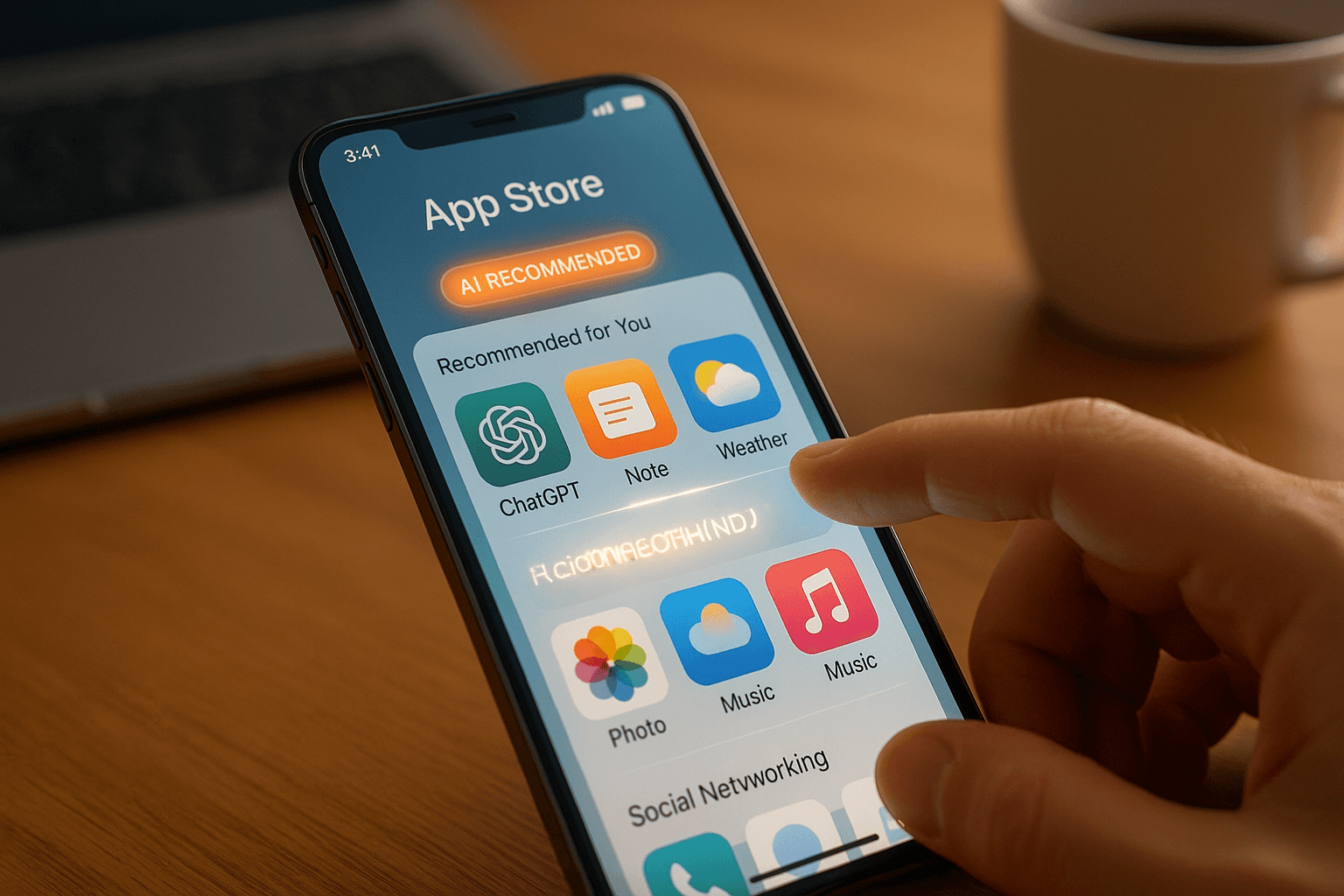
User Behavior Trends in App Store SEO 2025
User behavior now drives app visibility and rankings more than ever. Here's a quick breakdown of how apps succeed in 2025:
- Key Metrics That Matter: Daily Active Users, session length, retention rates, and review response times directly impact rankings.
- Voice Search Dominance: Over 50% of users rely on voice search, with conversational and local queries becoming the norm.
- Visual Search & AI: Visual elements like app trailers and AI-powered recommendations boost engagement and downloads.
- Retention Challenges: 80% of users abandon apps within 3 days, but push notifications can improve retention by up to 190%.
- Platform Differences: iOS users spend more on apps, while Android users are more responsive to notifications.
Quick Comparison: iOS vs. Android User Behavior
| Metric | iOS Users | Android Users |
|---|---|---|
| Push Notification Opt-in | 51% | 81% |
| Retention Rate | 86% | 91% |
| Average Spend per User | $10.40/month | $1.40/month |
To thrive in 2025, focus on user engagement, retention, and leveraging voice, visual, and AI-driven trends.
How to Find Profitable App Store Keywords in 2025
Top User Behavior Changes in App Discovery
As we move into 2025, the way users discover and evaluate apps is changing rapidly. These shifts not only align with engagement trends but also highlight new behaviors shaping app discovery.
Voice Search Usage
Voice search is taking center stage, with over 50% of smartphone users relying on voice commands to find and install apps. What's more, 71% of users favor voice search over typing, citing its speed and convenience.
| Voice Search Behavior | Effect on App Discovery |
|---|---|
| Conversational Queries | Searches are now phrased more naturally |
| Local Intent | 58% of users use voice search for local queries |
"Voice search introduces a more natural and intent-driven search behavior, requiring conversational content and structured data to enhance visibility."
– AppMarketingPlus.com
As voice search gains traction, visual and contextual elements are becoming equally important for capturing user attention.
Visual and Context-Based Search
Did you know users decide whether to download an app in just 7 seconds? This makes visually engaging content, like vertical video trailers, a must-have tool for showcasing app features.
"Most people will view this on auto play with muted audio. So have text overlays to explain pertinent sections or features that you're showing. And, only include footage of the app itself, don't waste precious seconds filming happy, smiling people using the app. This isn't 2009 anymore, people!"
With such limited time to make an impression, visuals need to be sharp, relevant, and straight to the point. Meanwhile, AI is reshaping how apps are recommended to users.
AI-Driven App Recommendations
AI-powered recommendation systems are revolutionizing app discovery by delivering highly personalized suggestions. These systems analyze user behavior in real time, driving significant improvements in key metrics:
| Metric | Impact |
|---|---|
| Session Duration | 30% increase |
| Conversion Rates | 20% improvement |
| User Return Rate | 25% higher likelihood |
| Content Visibility | 70% boost for tailored recommendations |
| First-Page Click Rate | 90% of all clicks |
These advancements don't just enhance discovery - they also improve retention rates by 30%.
"The brands that meet those expectations - across mobile, AI, and local platforms - are the ones that will win."
– Kyle Ferguson, CEO of Press Ganey Forsta
AI's impact varies across industries, with some seeing massive engagement growth:
| Industry | Engagement Increase |
|---|---|
| Retail Apps | 30% |
| Media Apps | 80% |
| Education Apps | 25% |
| Healthcare Apps | 40% |
| Gaming Apps | 50% |
These trends underline the importance of adapting to evolving user behaviors, from voice and visual search to AI-driven personalization. Apps that embrace these changes will stand out in an increasingly competitive landscape.
User Metrics That Impact SEO Performance
App store algorithms have shifted focus, placing significant weight on user behavior to determine app rankings. This means metrics like engagement patterns, retention rates, and how users interact with apps now play a pivotal role in visibility.
User Time and App Usage
Metrics such as Daily Active Users (DAU), Session Duration, Return Rate, and early retention are strong indicators of app quality. For instance, data shows that 80% of users abandon apps within the first three days of download. Interestingly, push notifications can improve retention rates by up to 190%.
| Engagement Metric | Impact on Rankings |
|---|---|
| Daily Active Users | Strong positive correlation |
| Session Duration | Moderate to high influence |
| Return Rate | Critical ranking factor |
| First 3-Day Usage | 80% abandonment threshold |
While high engagement metrics can boost rankings, a spike in uninstall rates can have the opposite effect, quickly diminishing app visibility.
App Removal Effects on Rankings
Uninstall rates are a key factor influencing app rankings. Several issues drive high uninstall rates:
- Privacy concerns: 43% of users uninstall apps due to excessive or unclear permission requests.
- Single-use syndrome: 24% of apps are used only once before being deleted.
- Poor user experience: Complicated or clunky interfaces significantly lower engagement levels.
Balancing retention with positive in-app actions is essential for maintaining strong rankings.
User Actions Within Apps
User interactions within apps don’t just reflect engagement - they directly impact rankings. Positive actions like ratings and reviews can dramatically improve conversion rates:
| Rating Change | Conversion Impact |
|---|---|
| 2 to 3 stars | +306% increase |
| 3 to 4 stars | +89% increase |
| 4.5+ stars | 150% more downloads |
"The North Face implemented a post-purchase review prompt. Their App Store rating increased from 3.68 to 4.23, resulting in a 59.06% increase in conversion rates. On Google Play, their ratings improved by 75%, rising from 3.71 to 4.54."
Other key engagement factors include:
- Review responses: Developers who actively respond to user reviews see an average rating boost of +0.7.
- Purchase patterns: Consistent revenue generation signals app quality to app store algorithms.
Research shows that 90% of consumers rely on star ratings when evaluating apps, and 72% read reviews before making purchase decisions. These metrics underscore the powerful connection between user behavior and SEO performance, forming the foundation for strategies explored throughout this article.
iOS vs Android User Patterns
The behavior of users on iOS and Android platforms plays a major role in shaping App Store SEO strategies in 2025. How users discover, engage with, and spend on apps varies significantly between these two ecosystems, influencing everything from visibility to monetization.
Search vs Browse Behaviors
User search habits differ sharply between iOS and Android. For instance, iOS users tend to gravitate more toward gaming apps, while Android users show a preference for utility and productivity apps.
| Behavior Metric | iOS Users | Android Users |
|---|---|---|
| Push Notification Response | 3.4% reaction rate | 4.6% reaction rate |
| Push Notification Opt-in | 51% opt-in rate | 81% opt-in rate |
| Customer Retention | 86% retention | 91% retention |
| Apps Downloaded Annually | 15 apps per user | 10 apps per user |
The way these platforms handle search indexing also impacts discovery. The Apple App Store emphasizes keyword fields and metadata, while Google Play takes a broader approach, indexing all visible text on the app's page. These differences, combined with varying user preferences, directly affect how apps are found and downloaded.
Download Decision Factors
When it comes to deciding whether to download an app, user demographics and spending behavior are key. iOS users tend to have a higher average monthly app expenditure - $10.40 compared to Android users' $1.40. This spending disparity highlights the different priorities and expectations of each platform's audience.
| Decision Factor | iOS Impact | Android Impact |
|---|---|---|
| Brand Prestige | Higher influence | Moderate influence |
| Price Sensitivity | Lower | Higher |
| Market Share | 59.21% (US) | Dominates in Asia/Africa |
| Revenue Generation | $13.5B (2021) | $4.8B (2021) |
| In-app Spend per User | $1.00 | $0.47 |
"exhibiting bad behavior in vitals will negatively affect the user experience in your app and is likely to result in bad ratings and poor discoverability on the Play Store."
- Official Google Play documentation
Android users are generally more responsive to push notifications, with a 4.6% reaction rate compared to iOS users' 3.4%. This is largely due to Android's more lenient notification system, which boasts an 81% opt-in rate versus iOS's 51%.
sbb-itb-622dc24
Store Page Updates for 2025
As user behavior continues to shape SEO strategies, keeping store pages optimized is more crucial than ever for app success. In 2025, the way users interact with app store pages is set to undergo significant changes. With visual search now handling over 20 billion queries each month through Google Lens alone, developers must adapt their store pages to align with these evolving expectations. These updates are not just about keeping up - they’re about leveraging new trends to boost app performance.
Video and AR Content
Video content and augmented reality (AR) are no longer optional - they’re becoming key drivers of app store success. Here’s how they’re making an impact:
| Content Type | Impact on Metrics |
|---|---|
| AR Demos | 40% higher conversion rate |
| Interactive Previews | 30% increase in page time |
| Interactive Demos | 60% higher likelihood of downloads |
For instance, The Home Depot’s use of AR technology led to a 14% increase in mobile traffic and a 20% uptick in average order value. Giving users the ability to visualize products or interact with app features directly on the store page significantly boosts engagement and conversions.
Keyword and Description Updates
Apple’s March 2025 update introduced major changes to search functionality, incorporating app tags and natural language processing (NLP). This shift means developers need to rethink how they approach metadata. Here’s what to focus on:
- Natural Language Integration: Use conversational, everyday phrases to match how people search.
- App Tags: Highlight the app’s unique features and qualities.
- Visual Search Optimization: Ensure visual elements align with user search intent.
These adjustments help apps stay visible as search algorithms become more sophisticated.
Regional Testing Methods
Localization has become a game-changer for increasing downloads, with advanced regional testing methods now delivering up to a 25% boost. Developers are moving beyond simple translations to create content that resonates culturally with specific audiences.
| Testing Element | Impact |
|---|---|
| Localized Metadata | Two-digit conversion increases |
| Regional Reviews | 90% user consideration rate |
| Cultural Adaptation | 50% higher engagement |
A great example is Wargaming’s World of Warships Blitz, which saw app impressions jump by 35% thanks to targeted localization efforts. Using tools like Custom Product Pages (CPP) on the App Store and Custom Store Listings (CSL) on Google Play allows developers to tailor their content for specific audiences, maximizing regional appeal and performance.
Conclusion: User Behavior and App Store Success
In 2025, user behavior and expectations are at the heart of App Store SEO. Developers who understand and adapt to these shifts can position themselves for success in an increasingly competitive landscape.
Key Takeaways for Developers
Today’s users have little patience for apps that fall short of their expectations. Stability, speed, and cutting-edge features are non-negotiable. For instance, 82% of users prioritize app stability when deciding which apps to download, and 81% will switch to competitors if performance issues persist.
Here’s a snapshot of what users expect and how it impacts app success:
| User Expectation | Impact on Success | Required Action |
|---|---|---|
| App Stability | 63% uninstall after 3 crashes | Focus on rigorous testing and real-time monitoring |
| Launch Speed | 61% abandon apps that take over 5 seconds to load | Streamline load times and optimize performance |
| AI Integration | 35% prefer apps with AI capabilities | Incorporate AI-driven features to meet user demand |
These numbers highlight why developers must prioritize seamless performance and innovative features. Meeting these demands isn’t just about satisfying users - it’s about staying competitive in a rapidly evolving market.
The Future of App Store SEO
Looking ahead, several trends are set to reshape how users discover and engage with apps. AI-driven personalization, alternative app stores, and shifting search behaviors are just a few of the changes on the horizon.
As Simon Thillay, Head of ASO Strategy at AppTweak, explains:
"2025 is expected to see more third-party stores be introduced, with most rumors expecting especially several large gaming companies to make a move in the space."
Here are three trends developers should watch:
- AI Agents and Personalization AI-powered agents are transforming user experiences by offering tailored recommendations and proactive solutions. With 54% of marketers already leveraging AI in their tools, this trend is only gaining momentum.
- Search Evolution Traditional search methods are shifting. By 2026, Gartner predicts a 25% drop in traditional search traffic. Developers will need to adapt their strategies to align with new search behaviors, including the rise of voice and AI-enhanced searches.
- User-Centric Metrics The focus is moving beyond acquisition to engagement and retention. With 70% of users trusting generative AI search results, developers must craft experiences that encourage long-term user interaction and loyalty.
As these trends unfold, developers who stay ahead of the curve will be better equipped to maintain visibility and thrive in the ever-changing app ecosystem.
FAQs
How does voice search influence app discovery, and how can developers optimize for it?
Voice search is transforming how users discover apps, shifting the focus from traditional typing to conversational, voice-driven queries. With over half of smartphone users regularly relying on voice assistants like Siri and Google Assistant, developers must rethink their strategies to stay ahead. Voice queries often sound more natural and are typically longer, which means optimizing app titles, descriptions, and metadata with conversational keywords and long-tail phrases is now a must.
To boost visibility in voice search results, developers can take a few key steps:
- Use schema markup: This helps search engines better interpret your app’s content.
- Prioritize fast page loading times: A quick-loading app page ensures a smoother user experience.
- Add FAQ sections: Including FAQs in app descriptions can address common voice-based questions directly.
Adapting to these changes allows developers to improve their app’s discoverability while catering to the growing demand for seamless, voice-activated interactions.
How do iOS and Android user behaviors differ, and what impact do these differences have on app marketing strategies?
User Behavior Differences Between iOS and Android
Understanding how user behavior differs between iOS and Android is key to crafting effective app marketing strategies. iOS users tend to skew younger, are often more affluent, and place a strong emphasis on brand loyalty. They’re also more inclined to make in-app purchases, which explains why they typically generate higher revenue per user. Geographically, iOS users are often concentrated in urban areas.
In contrast, Android users cover a broader demographic spectrum and are generally more price-conscious. They’re also more receptive to push notifications, making this a powerful tool for driving engagement on Android platforms.
Globally, Android dominates in terms of sheer user numbers, but iOS consistently outperforms when it comes to app revenue. These behavioral and economic differences highlight the need for tailored marketing strategies: focus on maximizing revenue streams with iOS users while leveraging engagement tools, like push notifications, to boost user acquisition and retention on Android.
How does AI-driven personalization enhance app engagement and user retention in 2025?
AI-powered personalization is changing the game for app engagement and user retention by creating experiences that feel tailor-made. By examining user behavior, preferences, and patterns, AI can adapt content, notifications, and interactions to meet individual needs, making apps feel more relevant and engaging.
Take AI-driven recommendations, for instance. Apps that use them often see a noticeable uptick in retention rates because users are more likely to stick around for experiences that feel personalized. On top of that, predictive analytics adds another layer of value by spotting users who might be on the verge of leaving. With this insight, apps can step in with timely reminders or special offers, keeping users engaged. This mix of personalization and proactive strategies not only enhances user satisfaction but also builds long-term loyalty, setting apps up for lasting success.
More from the studio