
All blogs
Mobile App Development
Freemium Retention: Lessons From Top Competitors
Explore effective freemium retention strategies from leading apps, focusing on user engagement, personalization, and onboarding optimization.
9 min read

Freemium Retention: Lessons From Top Competitors
The freemium model thrives on keeping free users engaged long enough to convert them into paying customers. Companies like Spotify, Duolingo, and Appeneure have refined retention strategies that balance delivering value with encouraging upgrades. Here's what works:
- Spotify: Consistent multi-device experiences and AI-driven personalization keep users loyal, though early premium nudges may feel pushy.
- Duolingo: Gamification (streaks, badges) and tailored lessons make learning fun, but long-term engagement can wane as gamification loses appeal.
- Appeneure: Custom onboarding, AI-driven interactions, and synchronized updates across platforms reduce churn but require precise execution.
Key takeaways for app developers:
- Show value upfront: Let users explore core features without barriers.
- Personalize efforts: Use AI to tailor experiences, but avoid overwhelming users with upgrade prompts.
- Evolve gamification: Keep engagement tools fresh to maintain interest.
- Ensure platform consistency: Offer uniform functionality across devices.
- Use social features wisely: They should enhance - not complicate - the user journey.
These strategies help freemium apps retain users by focusing on seamless experiences, timely personalization, and meaningful engagement.
App Strategy: Succeeding with Freemium and Hybrid Monetization - Paul Ganev, Surfline

1. Spotify
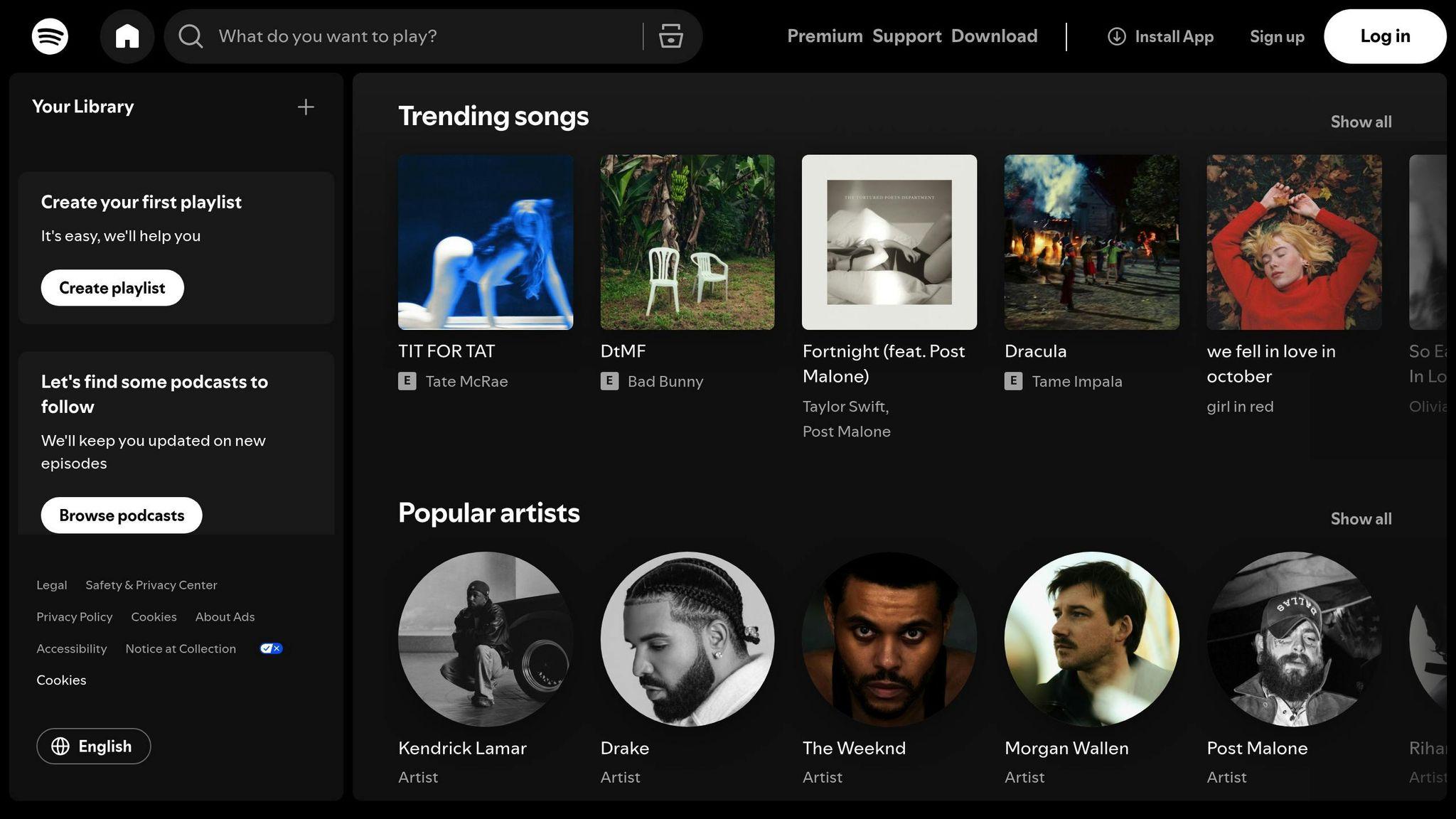
Spotify has mastered the art of keeping users hooked by offering seamless multi-device support. Whether you're on your phone, desktop, smart speaker, or even in your car, Spotify ensures a consistent experience across all platforms. Your playlists, recommendations, and settings travel with you, creating a sense of reliability and ease.
The results speak for themselves: users who engage with Spotify across multiple devices boast retention rates of up to 75%. This effortless transition between devices highlights an important takeaway for app developers - providing a smooth and dependable experience across platforms can significantly enhance user loyalty. Spotify's approach is a prime example of how consistency can strengthen retention.
2. Duolingo
Duolingo stands out by making language learning an engaging and repeatable experience. Through clever use of gamification, tailored interactions, and a streamlined onboarding process, it keeps users coming back for more.
Gamification and Incentives
Duolingo has mastered the art of turning learning into a game. Its reward system - featuring daily streaks, leaderboards, XP points, gems, and achievement badges - keeps users hooked. Gems, for instance, can be used to extend streaks, unlock bonus lessons, or customize Duo, the app’s mascot. For those seeking an enhanced experience, Duolingo Plus offers perks like ad-free learning and offline access, encouraging deeper commitment.
Personalized Engagement
The app’s adaptive algorithms ensure lessons are tailored to individual users, adjusting difficulty based on their progress and struggles. Spaced repetition strengthens memory retention, while notifications - crafted with humor and encouragement - are timed to align with each user’s study habits. Weekly progress reports, highlighting achievements like streak milestones and time spent learning, add an extra layer of motivation.
Onboarding Optimization
Duolingo’s onboarding process is designed to deliver instant gratification. New users dive into speaking and reading exercises within minutes, while placement tests challenge advanced learners right away. By setting personalized daily goals and offering quick wins early on, the app builds both confidence and commitment from the start.
sbb-itb-622dc24
3. Appeneure
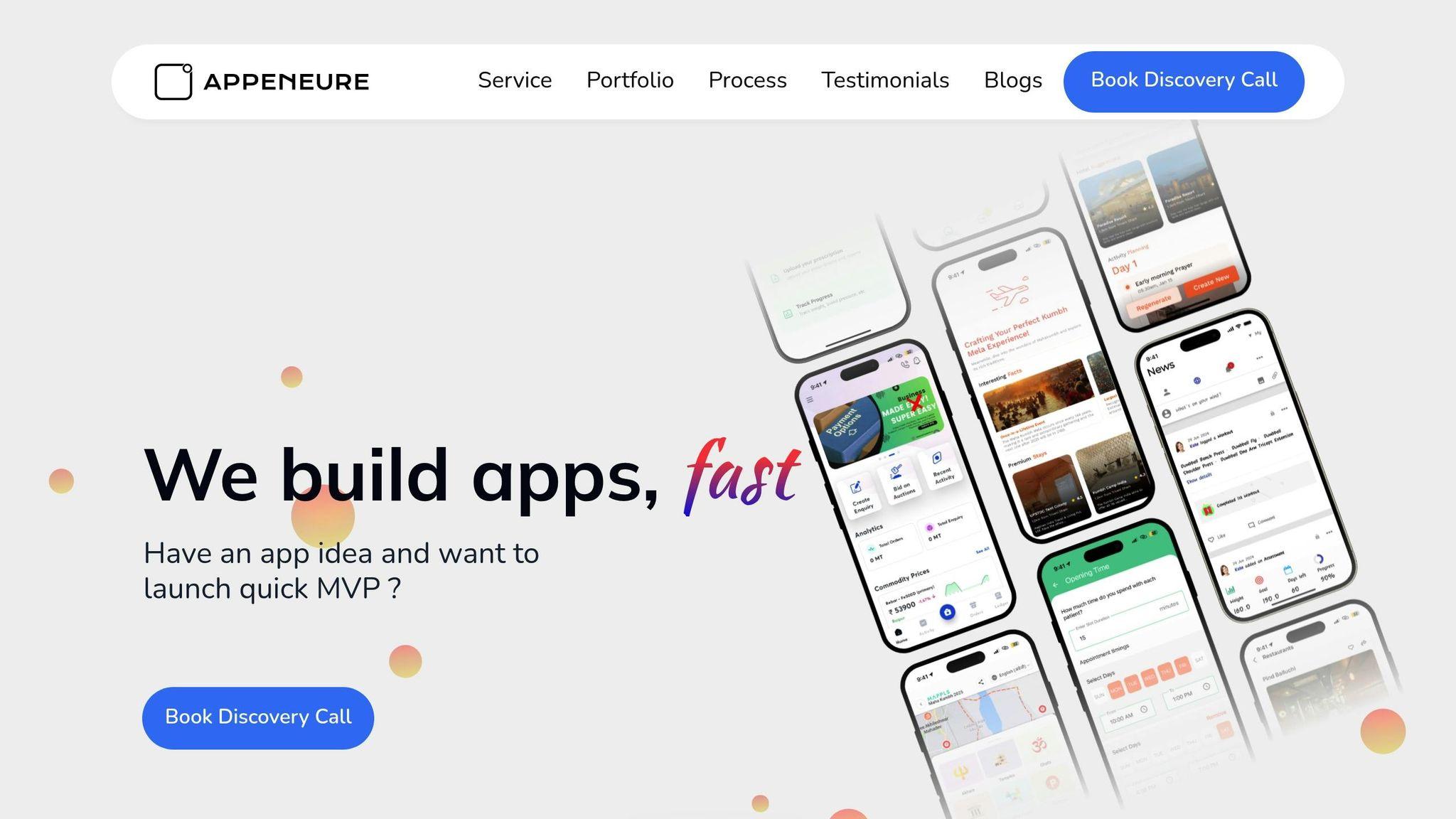
Appeneure has carved a niche in the freemium app space by fine-tuning retention strategies based on tried-and-tested industry methods. With a client base of over 100 spanning various categories, the company focuses on keeping users engaged throughout their journey in freemium models.
Cross-Platform Experience
A smooth cross-platform experience is at the heart of Appeneure's retention approach. Users can effortlessly switch between devices without losing progress or functionality, reducing friction and minimizing churn.
To ensure consistency, Appeneure employs agile development practices that deliver simultaneous updates across platforms. This eliminates the frustration users often feel when their preferred platform is overlooked - a common issue that drives users away from freemium apps.
Personalized Engagement
Appeneure leverages AI-driven personalization to create meaningful user experiences. Their conversational AI tailors interactions based on individual user behavior, replacing generic push notifications with prompts that feel relevant and timely.
The company also focuses on adaptive interface design. Frequent users enjoy streamlined workflows that enhance efficiency, while newcomers benefit from intuitive guides, tooltips, and tutorials that ease them into the app. This dual approach ensures that both seasoned users and beginners feel supported and engaged.
While many companies excel in specific areas like gamification or multi-device functionality, Appeneure stands out by combining agile innovation with AI insights to deliver a uniquely cohesive experience.
Onboarding Optimization
Appeneure’s onboarding process is designed to immediately highlight the app’s core value. New users are introduced to essential features upfront, building trust and showcasing the app’s utility before any premium upgrades are suggested.
Through progressive disclosure, advanced features are gradually revealed, preventing users from feeling overwhelmed while naturally steering them toward premium options.
To ensure the onboarding experience resonates with a diverse user base, Appeneure employs rigorous A/B testing, continuously refining the process to maximize user satisfaction and retention.
Comparison of Strengths and Weaknesses
After analyzing each platform individually, here's a breakdown of their strengths and challenges. This comparison sheds light on how different approaches impact freemium user retention and offers valuable insights for app developers looking to refine their strategies.
| Platform | Onboarding Strengths | Onboarding Weaknesses | Engagement Strengths | Engagement Weaknesses |
|---|---|---|---|---|
| Spotify | Quick music discovery and personalized setup | Premium barriers appear early | AI-driven personalization and popular features like Spotify Wrapped | High reliance on costly music licensing |
| Duolingo | Easy registration with instant value | Limited customization options | Gamification mechanics like streaks | Users may experience gamification fatigue |
| Appeneure | Tailored onboarding for unique projects | Effectiveness varies by strategy | User-focused updates across platforms | Retention depends on execution quality |
Spotify: Personalization and Licensing Challenges
Spotify’s AI-powered personalization is a standout, keeping users engaged with features like Spotify Wrapped, which combines data storytelling with social sharing. For instance, the 2024 Wrapped campaign garnered over 400 million TikTok views in just three days. However, Spotify’s reliance on expensive music licensing limits how much free content it can provide before nudging users toward premium subscriptions. For budget-conscious users, this push can sometimes feel too aggressive.
Duolingo: Gamification and Long-Term Engagement
Duolingo’s gamification is masterfully designed to hook users early. By delivering value even before registration, it boosts initial retention. Features like streaks and badges reinforce habits and keep users coming back. That said, the novelty of gamification can wear off over time, leading to fatigue for some users. While its core features are consistent across devices, advanced functionalities are often mobile-first, which could leave desktop users wanting more.
Appeneure: Customization and Execution
Appeneure takes a tailored approach, designing onboarding experiences and updates to suit each client’s specific needs. Its agile development ensures timely updates across platforms, minimizing user frustration from delayed rollouts. However, the success of its retention strategies heavily depends on precise execution and ongoing optimization. Appeneure also focuses on integrating social features that align with an app’s purpose, enhancing the user experience in a meaningful way.
Cross-Platform Consistency
How these platforms manage their cross-device experiences sets them apart:
- Spotify delivers consistency across devices but sometimes delays feature rollouts on less popular platforms.
- Duolingo ensures its gamification elements work seamlessly across devices, though some advanced features remain mobile-exclusive.
- Appeneure aims for simultaneous updates across all platforms, reducing user frustration and maintaining engagement.
Social Engagement Strategies
Social features are another area where these platforms differ:
- Spotify excels with collaborative playlists and Wrapped-related sharing, fostering viral moments.
- Duolingo uses leaderboards and friend challenges to create a sense of community and competition.
- Appeneure integrates social tools tailored to an app’s goals, ensuring they enhance rather than distract from the user experience.
Key Challenges for Retention
Each platform faces unique hurdles:
- Spotify risks alienating users with its early premium push.
- Duolingo struggles with sustaining long-term interest as gamification loses its initial charm.
- Appeneure’s bespoke approach requires careful planning and continuous optimization to ensure its strategies resonate with users.
These comparisons provide actionable insights for app developers, offering guidance on how to adapt retention strategies to fit their own goals and audiences.
Key Takeaways for App Developers
Looking at Spotify, Duolingo, and Appeneure, there are some clear strategies app developers can use to boost retention rates for freemium models.
Show value right away - no strings attached. Make sure users can access the app's core features immediately. For example, Spotify starts streaming personalized music right off the bat, and Duolingo lets users dive into language lessons before asking them to sign up. This builds trust and demonstrates the app’s worth before users invest their time or share personal details.
Personalization keeps users engaged, but timing matters. Striking the right balance between tailored experiences and upgrade prompts is key. Give users enough time to see the value of the free version before introducing premium options. Features powered by AI, like personalized recommendations, are now expected, but they should feel natural and helpful - not pushy or overwhelming.
Gamification works best when it evolves. Duolingo’s streaks and badges are great examples of how gamification can create habits. But even the most engaging gamified features can get stale. To keep users hooked, layer in different engagement tools that adapt to their behavior and preferences over time.
Consistency across platforms is critical. Appeneure’s strategy of rolling out updates simultaneously on iOS, Android, and web ensures users have a seamless experience, no matter how they access the app. Inconsistent functionality across platforms can frustrate users and hurt retention.
Social features should amplify, not complicate. Spotify’s collaborative playlists and Duolingo’s friend challenges succeed because they enhance the core experience. On the flip side, social tools that feel tacked on or irrelevant can disrupt the user journey. The best social features make the app more enjoyable without adding unnecessary complexity.
A strong onboarding process is also essential. First impressions matter, and users decide quickly whether an app is worth their time. Apps that highlight their unique value and guide users to their first "aha moment" early on tend to perform better than those with lengthy sign-up processes.
Appeneure’s expertise in AI-driven app development and user-focused design helps businesses craft retention strategies tailored to their audiences. Drawing from over 100 projects across industries like health tech, e-commerce, and dating, they specialize in creating apps that resonate with users.
Ultimately, the most successful freemium apps don’t just aim to convert free users into paying customers. They focus on delivering so much value that users can’t imagine switching to another app - whether they pay or not. Putting users first not only improves retention but also drives long-term revenue growth.
FAQs
How can app developers provide value in their freemium model while encouraging users to upgrade?
To create a successful freemium model, app developers need to strike a careful balance. The free version should offer engaging, high-quality features that attract users and build trust. Meanwhile, premium features should feel like meaningful additions that enhance the overall experience. One effective strategy is to offer limited-time trials or exclusive perks that come with upgrading, giving users a chance to explore premium options without feeling pressured.
Another approach is using personalized in-app messages and notifications to clearly showcase the benefits of upgrading. When users see how the premium tier adds value to their experience, they’re more likely to consider making the switch. By keeping the free version enjoyable while highlighting the advantages of premium features, developers can create a positive user experience and increase conversions.
How can gamification be used to keep users engaged over the long term?
To keep users engaged over the long haul, gamification strategies should aim to deliver experiences that feel rewarding and uniquely tailored to each individual. Take, for instance, features like daily check-ins or streaks - these can nudge users toward consistent app interaction. Add to that personalized progress paths, and users get a sense of achievement as they hit milestones aligned with their personal goals.
Incorporating simple game elements, such as spin-the-wheel challenges or digital scratch cards, can inject a bit of fun without overwhelming or complicating the experience. These approaches align with key psychological drivers like competence, autonomy, and connection, making it easier to keep users engaged and motivated over time.
Why is maintaining consistency across platforms important for freemium apps, and how does it affect user retention?
Maintaining cross-platform consistency is crucial for freemium apps. Why? Because it ensures that users enjoy a smooth and unified experience, no matter which device or operating system they’re using. When key elements like subscription details, saved progress, and app features function flawlessly across platforms, it builds confidence and keeps users happy.
This kind of consistency also minimizes frustration, which can go a long way in reducing dropout rates. When users stick around longer, retention improves, and the chances of converting free users into paying customers increase. Plus, it creates a solid foundation for effective cross-channel marketing and monetization efforts, ultimately boosting both user loyalty and revenue.
More from the studio