
All blogs
Mobile App Development
Behavioral Segmentation for Subscription App Ads
Explore how behavioral segmentation enhances ad targeting for subscription apps, improving user retention and maximizing ROI through precise strategies.
11 min read
Behavioral Segmentation for Subscription App Ads
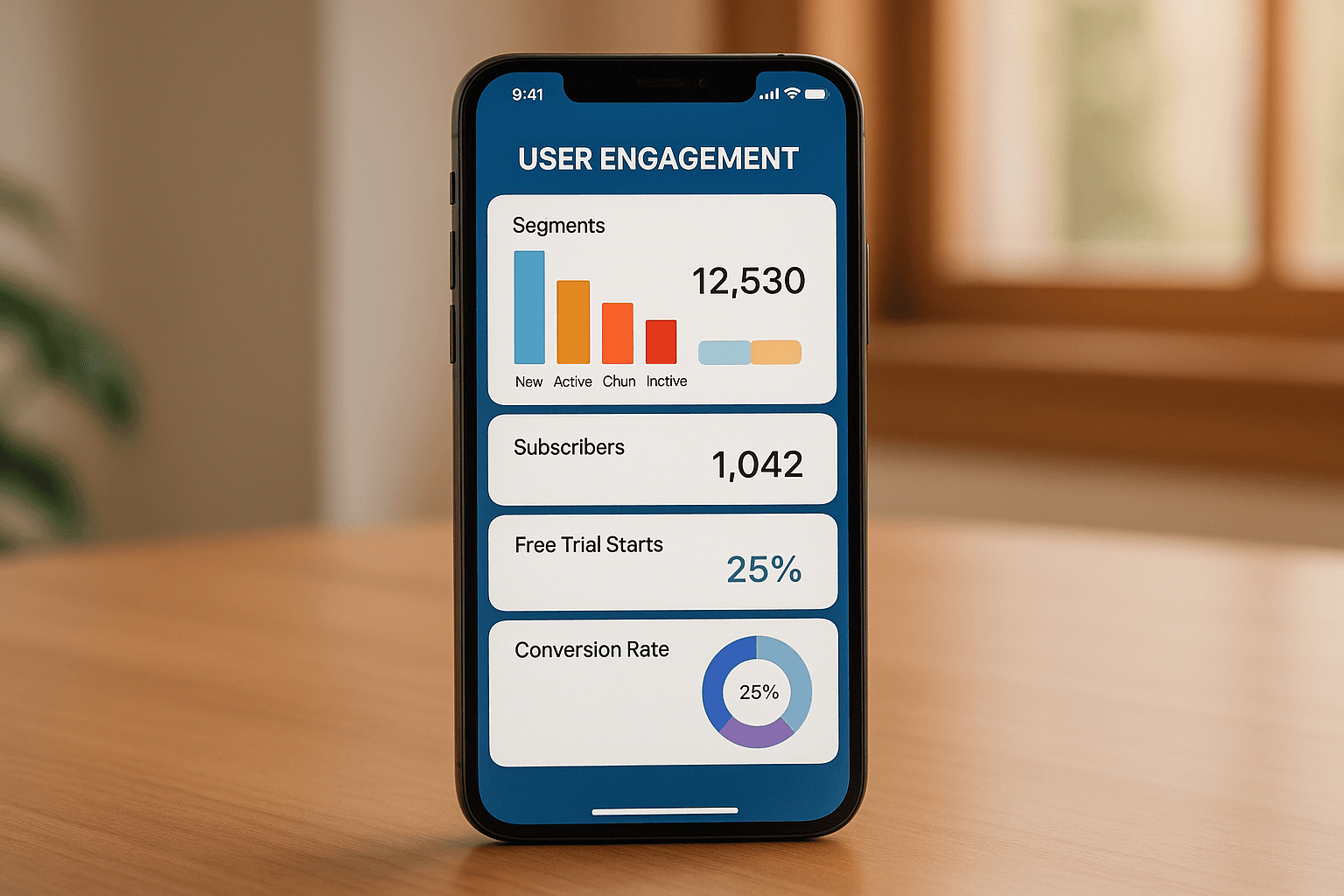
Behavioral segmentation focuses on user actions - like app usage patterns, purchase history, or ad interactions - rather than static traits like age or gender. This approach helps subscription apps target users more effectively, improving ad performance, retention, and ROI. For example:
- Target active users with premium features.
- Win back canceled subscribers with tailored offers.
- Boost ROI by aligning ads with user behavior.
While basic targeting (e.g., demographics or device type) is simpler and cheaper, it lacks the precision to compete in crowded markets. Behavioral segmentation, though resource-intensive, delivers better long-term results by matching ads to user intent.
Key Takeaways:
- Behavioral segmentation improves click-through and conversion rates.
- It boosts retention and lifetime value by tailoring offers to user habits.
- Apps like Spotify and Netflix use this strategy for personalized experiences.
- Basic targeting works well for early-stage apps but may underperform in competitive spaces.
Balancing simplicity with precision, apps can start with basic methods and transition to behavioral segmentation as they grow. Privacy compliance and data tools are essential for success.
Learn How To Use Behaviors Detailed Targeting In Meta Ads!
1. Behavioral Segmentation
Behavioral segmentation is all about grouping users based on their actions within your subscription app. It tracks what users actually do - how often they open the app, which features they use most, their purchase behaviors, and how they interact with notifications. By focusing on these behaviors, you can fine-tune your ad targeting to hit the right audience at the right time.
For subscription apps, key behavioral data points include how frequently users engage with the app, which features they favor, their in-app purchase history, subscription renewals or cancellations, and responses to push notifications or emails. This data gives you a clearer picture of user intent and helps predict their future actions, making your ad campaigns much more effective.
For example, you can target highly active users with ads promoting premium features, while users who seem to be losing interest might respond better to re-engagement offers. Power users - those who frequently use advanced features - are great candidates for upselling, while recently canceled subscribers could be drawn back with tailored win-back promotions. This approach lays the groundwork for precise advertising strategies, which we’ll explore further.
Ad Performance Metrics
Using behavioral segmentation can transform your advertising performance. When ads are based on user behavior instead of broad demographics, key metrics like click-through rates (CTR) and conversion rates often see noticeable improvements.
Take Rocket, a food delivery app. By segmenting users based on the times they typically placed orders, they boosted their ROI by 152%. This success came from delivering ads that matched users’ existing patterns.
Even industry giants like Amazon rely on behavioral segmentation. Their recommendation engine, which tracks purchase history, browsing behavior, and search habits, generates personalized product suggestions. These recommendations account for a whopping 35% of Amazon’s total revenue.
The secret sauce here is relevance. For instance, Spotify launched its Discover Weekly playlists in 2023, using behavioral data to create personalized music recommendations based on individual listening habits. The result? A significant increase in user retention and satisfaction, as people were served content that truly resonated with their tastes.
User Retention and LTV
Behavioral segmentation doesn’t just improve ad performance - it also strengthens user retention and boosts lifetime value (LTV). By tracking how users engage with your app, you can identify those who might be on the verge of canceling and take steps to keep them engaged.
Skillshare showcased this in 2022 with a re-engagement email campaign targeting inactive subscribers. They sent personalized “We Miss You” emails featuring time-sensitive offers tailored to each user’s past course preferences. The campaign led to a surge in reactivated accounts and subscription renewals.
Loyal customers tend to spend more over time, which is why nurturing these relationships through behavioral targeting is so worthwhile. Netflix uses this approach to great effect. By analyzing viewing habits, they can send promotional emails that align with individual preferences. In 2023, this strategy increased login frequency and improved retention rates for their subscription base. Instead of generic updates, Netflix sent personalized messages that reflected users’ actual viewing patterns.
Campaign ROI
Behavioral segmentation also helps subscription apps get more out of their ad budgets. By focusing on users with the highest potential for conversion or retention, you can allocate resources more effectively and avoid wasting money on broad, untargeted campaigns.
For instance, you might show premium upgrade ads to users with high engagement levels, while offering discounts to those who’ve stopped using the app. This targeted approach ensures that your messaging aligns with user intent.
Apps developed with Appeneure’s AI-powered solutions take this even further. Their advanced analytics tools enable real-time tracking and automated targeting, allowing subscription apps to fine-tune their advertising strategies and maximize ROI.
These results highlight the power of behavioral segmentation to drive better outcomes, setting the stage for a deeper discussion of its strengths and challenges in the next section.
2. Basic Targeting Methods
When it comes to targeting strategies, many subscription apps begin with straightforward methods before diving into more advanced techniques like behavioral segmentation. These initial approaches focus on easily trackable user actions and engagement patterns, making them practical for apps just starting to refine their audience targeting.
Demographic targeting is a classic example. This method segments users based on factors like age, gender, location, and income. For instance, dating apps often rely on these insights to craft messages that resonate with specific user groups.
Device-based targeting is another effective strategy. Since user behavior can vary significantly depending on the device they use, advertisers often tweak their campaigns accordingly. For example, they might adjust bids or creative assets to cater to users on different operating systems or screen sizes.
Time-based targeting focuses on delivering ads during peak activity periods. Take meditation apps, for example - they might schedule campaigns for early mornings or late evenings when users are more likely to engage.
Ad Performance Metrics
While basic targeting methods may seem simple, they can still lead to noticeable improvements in advertising performance. For example, geographic targeting is particularly useful when expanding into new regions. By customizing ads to match local languages or cultural nuances, apps can drive better engagement and reduce acquisition costs.
Interest-based targeting adds another layer of precision. By aligning ad content with users' specific interests - like promoting health-focused content for fitness enthusiasts - campaigns can achieve higher engagement compared to generic messaging. Similarly, lookalike targeting allows apps to find new audiences that share traits with their most valuable users, maintaining strong conversion rates while scaling reach.
User Retention and LTV
Effective targeting isn’t just about acquiring users - it also plays a big role in keeping them around and increasing their lifetime value (LTV). Seasonal targeting is a great example of this. Many fitness apps, for instance, see a surge in user interest around the New Year, making it a prime time to focus their campaigns for better retention.
Another approach is content preference targeting, which attracts users more likely to stick around. Apps that tailor their marketing efforts to align with specific user interests often see higher LTV among subscribers. Additionally, targeting based on price sensitivity allows apps to adjust offers to match user expectations, which can help boost retention when pricing strategies are carefully managed.
Campaign ROI
By improving retention and LTV, basic targeting methods also enhance campaign ROI. These strategies help subscription apps allocate their ad budgets more effectively by focusing on audiences with a higher likelihood of converting and staying engaged. For instance, platform-specific targeting can reveal which networks deliver better long-term value, even if initial acquisition costs are higher.
Another tactic is competitor targeting, which involves reaching out to users of similar services with incentives to switch. Similarly, retargeting campaigns - aimed at users who’ve already shown interest, like visiting the app’s website or downloading it without subscribing - often deliver significantly higher conversion rates compared to campaigns targeting entirely new audiences.
Appeneure’s expertise in analytics and user tracking makes implementing these strategies even more effective. With experience across a variety of app categories, Appeneure ensures that targeting methods are tailored to fit specific subscription models and user behaviors, maximizing results for their clients.
sbb-itb-622dc24
Pros and Cons
When it comes to subscription app advertising, both behavioral segmentation and basic targeting methods have their strengths and weaknesses. Understanding these trade-offs can help marketers decide which approach aligns best with their goals and resources.
Behavioral Segmentation
Behavioral segmentation offers a high level of precision by analyzing user actions and patterns. This approach can significantly boost campaign performance by tailoring ads to specific behaviors. However, it comes with its challenges. Implementing behavioral segmentation requires advanced analytics tools and expertise. It’s not just about collecting data - it’s about interpreting complex user interactions across various touchpoints, which can be daunting for teams without the necessary technical background.
Basic Targeting Methods
On the other hand, basic targeting methods are simple to use and can deliver quick, tangible results. These methods rely on general characteristics like demographics or device types, making them easy to set up without requiring specialized skills. But their simplicity can be a double-edged sword. In competitive markets, where standing out is critical, basic targeting often falls short because it lacks the depth needed to differentiate campaigns effectively.
Resource Requirements
The two approaches also differ in their resource demands. Behavioral segmentation requires continuous investment in data collection tools, skilled analysts, and infrastructure to manage and interpret user data. Meanwhile, basic targeting is far less resource-intensive. Most standard advertising platforms can handle it with minimal effort, making it an attractive option for teams with limited budgets or expertise.
Here’s a side-by-side comparison to break it down further:
| Aspect | Behavioral Segmentation | Basic Targeting Methods |
|---|---|---|
| Setup Complexity | High – requires advanced analytics and tracking | Low – easy to implement |
| Data Requirements | Extensive multi-touch user data | Basic demographic or device information |
| Precision | Highly specific targeting based on actions | Broad targeting using general traits |
| Cost | Higher due to tools and expertise | Lower with standard advertising platforms |
| Scalability | Difficult but highly effective when scaled | Easy to scale but may hit performance limits |
| Time to Results | Slower setup with lasting impact | Fast setup with quicker but shorter gains |
| Maintenance | Requires ongoing optimization and analysis | Minimal upkeep once campaigns are live |
| ROI Potential | Higher long-term returns with better targeting | Moderate returns, often diminishing over time |
Privacy Considerations
Privacy is another critical factor. Behavioral segmentation relies heavily on collecting detailed user data, which means navigating stringent privacy regulations and obtaining user consent. By contrast, basic targeting typically uses less sensitive data, making compliance easier but potentially limiting the effectiveness of campaigns.
Competitive Landscape
The choice between these methods often depends on the level of competition. In crowded markets where subscription apps are vying for the same audience, behavioral segmentation can provide the edge needed to stand out. For apps in less competitive spaces or those with distinct value propositions, basic targeting might be sufficient.
A Phased Approach for Growth
Smaller subscription apps often begin with basic targeting to establish a foundation and gather initial performance data. As they grow and collect more insights about user behavior, they can gradually adopt behavioral segmentation to refine their campaigns. This phased approach allows apps to scale their advertising strategies without overextending resources too early.
Effectiveness Over Time
The timeline for results also varies. Basic targeting delivers immediate outcomes but may lose effectiveness as audiences saturate or competition intensifies. Behavioral segmentation, while slower to implement, tends to improve over time as patterns emerge and targeting algorithms become more refined.
For apps working with Appeneure, the decision often hinges on the app’s stage of development and available resources. Early-stage apps might find basic targeting more practical, while scaling apps with data infrastructure in place can benefit from the precision of behavioral segmentation. Ultimately, both methods play a role in crafting data-driven advertising strategies tailored to subscription-based models.
Conclusion
Deciding between behavioral segmentation and basic targeting depends on your app's stage of development, available resources, and the level of competition in your market. For newer apps with tighter budgets, starting with basic targeting can help quickly grow a user base. As your app collects more data, you can gradually shift to behavioral segmentation to refine your approach and improve ad performance.
It's also crucial to prioritize privacy and data protection when implementing any user-targeting strategy. Balancing the use of detailed user insights with respect for privacy preferences not only builds user trust but also ensures compliance with changing regulations.
Once your app meets privacy requirements, the focus can shift to scaling your targeting efforts. Partnering with Appeneure can help you create a flexible analytics framework that supports both simple and advanced targeting strategies. This ensures your app is ready to adopt more sophisticated tracking and analytics tools as your marketing efforts grow.
Ultimately, your app's specific goals will guide how your targeting strategy evolves. Adjust your approach as your data capabilities expand to make the most of your advertising potential.
FAQs
How does behavioral segmentation improve ROI for subscription app ads?
Behavioral segmentation plays a key role in boosting ROI for subscription app advertising by enabling marketers to target users with precision. By examining patterns like in-app purchases, feature interactions, and overall engagement, advertisers can craft ads that feel personal and directly address user preferences.
This level of targeting drives stronger results, including higher conversion rates, improved user retention, and a boost in lifetime value - all of which amplify the return on ad spend. Plus, with real-time updates to these behavioral segments, campaigns remain timely and impactful, ensuring their effectiveness stays sharp.
What challenges do subscription apps face when shifting to behavioral segmentation for ad targeting?
Transitioning to behavioral segmentation for subscription apps isn't exactly a walk in the park. One of the biggest challenges lies in pinpointing which user behaviors actually matter. Not every action a user takes signals engagement or intent, so figuring out what’s meaningful for segmentation can be tricky.
Then there's the task of collecting precise and detailed data. This isn’t just time-consuming - it often requires specialized technical skills and resources that not every team has on hand.
And let’s not forget how user behavior is constantly changing. To keep targeting effective, apps need to regularly analyze and adjust their strategies. Without this ongoing effort, segmentation can quickly lose its edge, making it harder to connect with users in a meaningful way.
How can subscription apps collect user data for behavioral segmentation while staying privacy compliant?
To gather user data for behavioral segmentation while staying compliant with privacy laws, subscription apps need to adhere to regulations like CCPA and GDPR. This means apps must secure clear and explicit user consent, provide straightforward privacy notices, and allow users to opt out of data collection whenever they choose.
It's also crucial to implement privacy-focused tools and methods, such as secure data storage, anonymization techniques, and adherence to standards like SOC 2. By being transparent and giving users control over their data, apps can not only meet legal obligations but also foster trust with their audience.
More from the studio